For the last 10 years, the Scottish Aquaculture industry has been using the SuperSmolt® programme to produce tens of millions of optimally smoltified salmon from tank-based systems.
SuperSmolt Feed Only offers efficient smoltification of SO, S1 and even larger smolt. The method constitutes a major milestone for better fish welfare and production profitability.
SuperSmolt® Feed Only continues to provide massive benefits for both smolt producers and ongrowers:
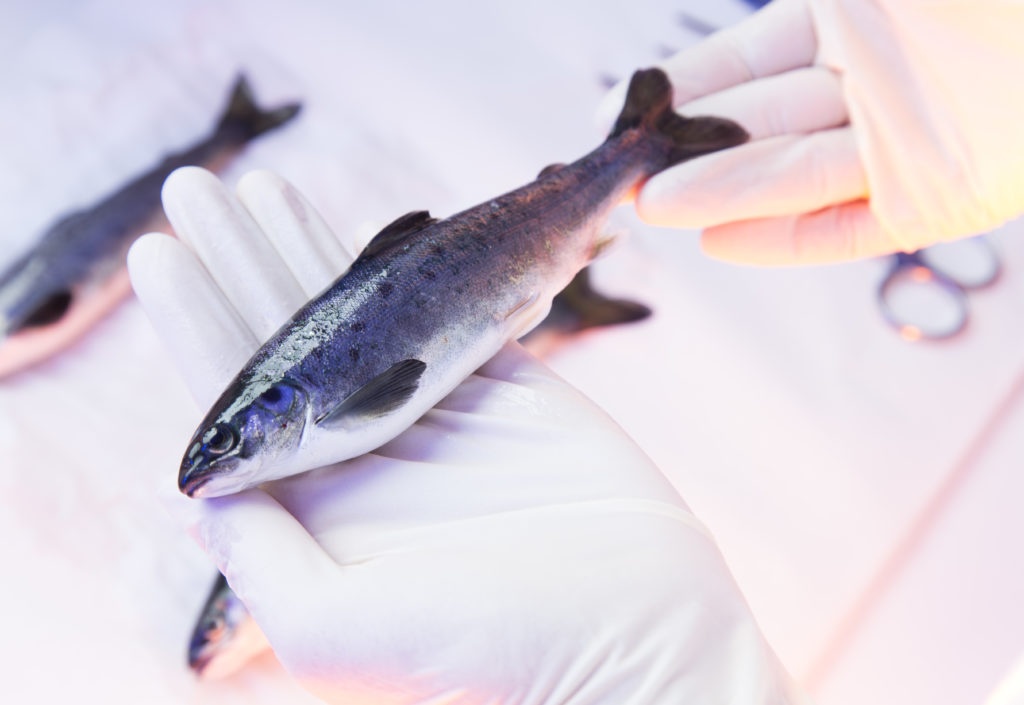
SuperSmolt as a tool to prevent nephrocalsinosis
Why is smoltification so crucial?
Smoltification involves far more than the basic ability of the fish to withstand seawater during the first month post-transfer. It is a fundamental and comprehensive physiological process that has decisive importance for how well the fish will grow at sea and its resilience against seawater bacteria and other pathogens. The difference between parr and smolt is fundamental — and, like most things in nature, completely logical.
Prevalence of bacterial diseases that cause high mortality and quality downgrades, makes it more important than ever to ensure that the fish has the very best possible starting point when transferred to sea. Smoltification is crucial above all else.

 STIM (NO)
 STIM (Chile)